

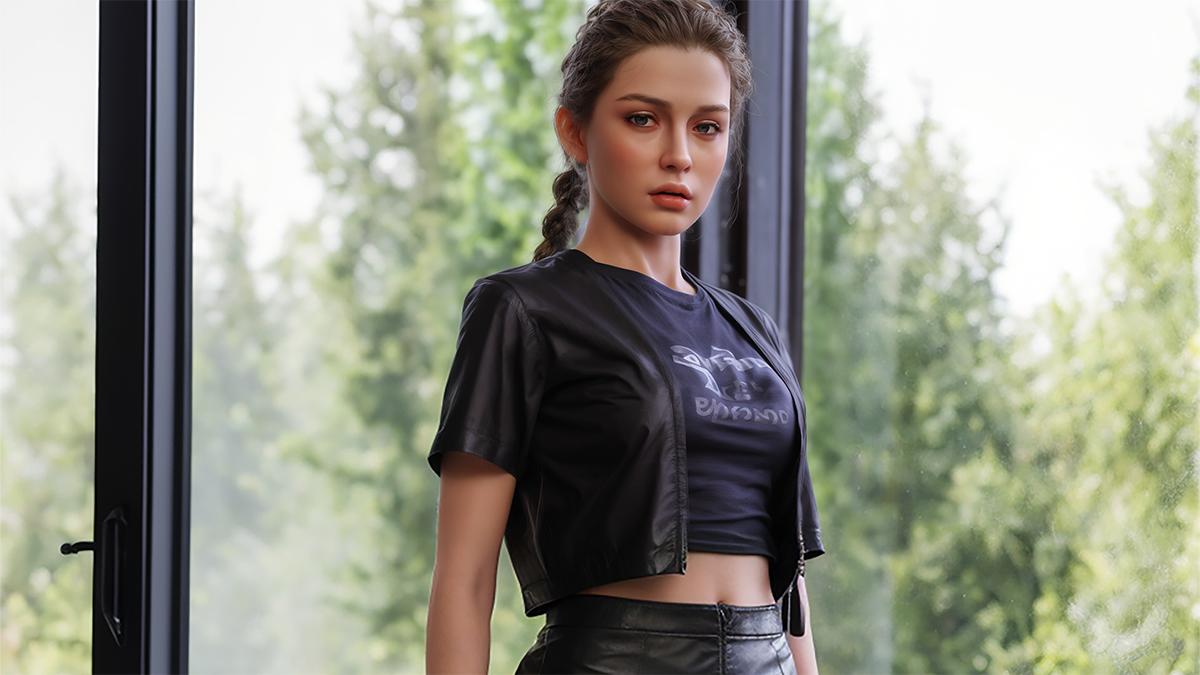
Photography is not only about pressing a shutter. It is about building a scene, controlling light, shaping mood, and understanding how a subject interacts with texture, color, space, and shadow. For photographers who work in private studios, creative portrait practice, product styling, or adult visual display, lifelike dolls have become a practical way to study human-form photography without depending on model availability or complicated scheduling.
A well-made silicone figure can hold a pose, remain still under long lighting tests, and provide realistic body proportions for composition practice. This makes it useful for creators who want to experiment with bedroom-style scenes, intimate lifestyle photography, fashion-inspired setups, or private collector displays. The subject remains consistent, which gives the photographer more time to adjust angles, props, fabrics, and camera settings.
For adult collectors, the appeal is also personal. A lifelike doll can be part of a private room setup, a sensual photography concept, or a long-term display arrangement. When used with care and good visual planning, it can become more than a product. It can become a controlled creative subject for exploring realism, styling, and private expression.
Why Lifelike Dolls Work Well in Photography Setups
The most useful photography subjects are not always the most dramatic. Sometimes the best subject is one that allows repetition. Lifelike dolls are valuable because they can remain in the same position while the photographer experiments with small changes in light, distance, background, wardrobe, or camera angle. This makes them especially helpful for private photographers who want to improve their technique without the pressure of working with a live model.
A realistic doll can be used for seated portraits, reclining compositions, close-up detail shots, fashion styling, bedroom-themed visuals, or artistic human-form studies. Unlike a mannequin, a high-quality silicone doll has softer facial features, more natural body curves, and more believable skin texture. These details matter because photography often reveals small imperfections that are not obvious in normal room lighting.
For adult visual projects, consistency is a major advantage. The doll can be dressed, posed, moved, or styled at the owner’s pace. There is no time limit, no discomfort, and no need to rush through lighting tests. This makes the process more relaxed and more experimental, especially for creators who prefer private work.
Lighting Practice with Realistic Human-Form Subjects
Lighting is one of the main reasons photographers use lifelike figures. Human-form subjects are more difficult to light than flat objects because shadows fall across the face, chest, shoulders, arms, and body contours in complex ways. A realistic silicone doll gives photographers a steady subject for testing these lighting effects repeatedly.
Softbox lighting can be used to create a gentle and intimate mood. Side lighting can highlight body curves and facial depth. Backlighting can create a more cinematic silhouette. Warm bedside lamps can produce a private lifestyle atmosphere, while cooler studio lights can create a cleaner editorial style. Each lighting setup teaches something different about how realism appears through the lens.
A lifelike figure also helps photographers understand how skin-like surfaces react to light. Gloss, matte texture, shadow softness, makeup detail, and body contours all affect the final image. The better the surface quality, the more natural the photograph tends to look. This is why silicone realism is important for creators who want display images or private adult portraits to feel polished rather than artificial.
How Surface Detail Affects the Final Image
Surface detail can make or break a photography setup. When the subject is too flat, too shiny, or poorly sculpted, the image can look artificial even if the lighting is good. Silicone dolls are often chosen for visual work because they can preserve facial structure, hand detail, body lines, and subtle skin-like texture more consistently than cheaper display props.
In close-up photography, details become even more important. The face, lips, eyes, hands, and shoulders may be photographed at short distance, where surface quality is clearly visible. If the doll has realistic proportions and controlled texture, the image feels more believable. If the material looks uneven or overly plastic, the illusion breaks quickly.
Collectors who use dolls for display also care about this detail. A private room setup or adult collection does not only depend on the doll itself. It depends on how the figure looks under real lighting, how it interacts with clothing, and how naturally it fits into the surrounding space. Better realism gives the owner more creative freedom.
Using Dolls for Posing and Composition Practice
Posing is one of the hardest skills in portrait photography. A small change in head angle, shoulder position, hand placement, or body direction can change the entire mood of an image. Lifelike dolls allow photographers to practice these details carefully because the subject can remain still as long as needed.
A photographer can test seated poses, reclining bedroom scenes, standing silhouettes, over-the-shoulder compositions, or close-up portrait framing. They can adjust the background, change the lens, move the light, and return to the same pose again. This repeated practice builds confidence and improves visual judgment.
For adult-themed creative work, posing also affects whether an image feels tasteful or awkward. A realistic doll can be used to explore sensual styling while keeping the composition controlled. The photographer can focus on mood, framing, shadow, fabric, and body shape instead of relying on explicit presentation. This helps create images that feel more refined and visually intentional.
Creative Styling for Private Adult Photography
Styling is where a simple photography setup becomes personal. Clothing, lingerie, wigs, jewelry, bedding, room decor, and background colors can completely change the personality of a scene. Lifelike dolls offer a flexible subject for testing these choices in private.
A doll can be styled for soft romantic portraits, luxury bedroom scenes, fashion-inspired shots, cosplay concepts, moody black-and-white photography, or warm lifestyle visuals. Because the subject does not move, the creator can take time adjusting fabric placement, hair direction, accessories, and body posture until the scene feels balanced.
This is especially useful for collectors who enjoy visual presentation as part of ownership. The doll is not only stored away after purchase. It can be dressed, photographed, displayed, and restyled over time. For some owners, this process becomes part of the enjoyment. It combines privacy, creativity, and adult companionship in a controlled personal space.
Building a Natural Photography Setup at Home
A private photography setup does not need to be complicated. Many strong images can be created with simple tools: a clean background, a soft light source, a tripod, a carefully chosen outfit, and good attention to composition. The goal is not always to build a professional studio. Sometimes the best setup is a quiet room where the subject, light, and styling feel natural together.
Bedroom-style photography often works well because it creates a comfortable and believable environment. Bedding, curtains, warm lamps, mirrors, neutral walls, and soft fabrics can all help a lifelike doll appear more naturally placed. A private lounge chair, window corner, or dressing table can also create an intimate lifestyle mood without needing heavy equipment.
Photographers should think about how the figure fits into the environment. If the background is too busy, it can distract from the subject. If the lighting is too harsh, the surface may look less natural. If the pose feels forced, the entire image loses realism. Small adjustments often make the biggest difference.
Choosing the Right Doll for Photography Setups
Not every doll is equally useful for photography. A model chosen only for appearance may not be easy to pose, move, clean, or style. For visual projects, the most important factors are material quality, facial realism, body proportion, joint flexibility, weight, and long-term surface stability.
A lighter model may be easier to reposition, while a heavier full silicone model may look more grounded and realistic in certain scenes. The right choice depends on the type of photography the owner wants to create. Close-up portrait work requires strong facial detail. Full-body styling requires balanced proportions and stable posing. Display photography benefits from clean surface texture and a natural body shape.
Creators who want a subject with strong visual realism often compare lifelike dolls for photography setups because material quality directly affects how believable the final image looks. A realistic surface, stable structure, and refined design make it easier to create polished photographs without excessive editing.
Care and Preparation Before a Photoshoot
Preparation matters before any photoshoot. A lifelike doll should be cleaned, dried, and checked for dust, lint, or fabric marks before being placed in front of the camera. Even small particles can become noticeable in close-up shots, especially under strong lighting.
Clothing should also be chosen carefully. Dark fabrics may transfer color to some materials if left on too long, so it is better to test garments before extended display. Soft fabrics, neutral colors, and clean textures often work well for photography because they support the subject without overwhelming the image.
Hair and accessories should be arranged after the pose is set. This prevents repeated movement from disrupting the styling. A simple brush, lint roller, microfiber cloth, and gentle cleaning routine can help keep the doll camera-ready. Good preparation reduces editing time and helps the final images look more natural.
Display Value Beyond the Camera
For many adult collectors, photography is only one part of the experience. A lifelike doll may also become part of a private display space. The owner may style it for a room, arrange it as part of a collection, or use it as a visual centerpiece in a personal studio.
Display value depends on realism, proportion, and maintenance. A doll that holds its shape and remains clean over time will look more convincing in a room than one that quickly loses surface quality. This is why long-term material stability matters. The doll needs to look natural not only during the first photoshoot but also after repeated dressing, posing, and storage.
When treated as a display subject, a lifelike doll can combine adult ownership with visual design. It becomes part of the room’s atmosphere, not just an item stored away. This is one reason realistic silicone designs continue to attract collectors who care about both private companionship and artistic presentation.
Final Thoughts
Lifelike dolls can be valuable tools for photography setups because they offer privacy, consistency, realism, and creative control. They allow photographers and collectors to practice lighting, posing, wardrobe styling, bedroom scenes, and adult display concepts without outside scheduling pressure.
The best results come from treating the doll as a visual subject rather than a simple prop. Lighting, surface detail, pose, styling, room design, and maintenance all work together to create a believable image. When these elements are handled carefully, a lifelike doll can support both creative photography and private adult display in a polished and personal way.
For creators who value privacy and visual realism, silicone dolls offer a unique balance of function and aesthetic appeal. They make it possible to explore intimate photography, collector styling, and human-form composition at a comfortable pace, while maintaining control over every detail of the scene.