
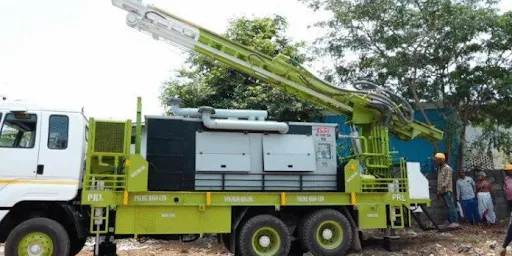
Ground conditions can vary considerably from one drilling location to another. Sandy soil, compact clay, loose formations, mixed strata, and hard rock each create different challenges for drilling equipment. The performance of a used rig therefore depends on its drilling method, mechanical condition, configuration, and ability to handle the specific formation. A second hand borehole drilling machine for sale can be a practical option when its specifications and condition are carefully matched with the requirements of the drilling project.
Understanding Ground Conditions
Before drilling begins, operators need to understand the geological characteristics of the site. Soil composition, formation hardness, groundwater presence, expected drilling depth, and borehole diameter can influence equipment selection. A rig that performs effectively in soft soil may require different tooling or drilling techniques when it encounters consolidated rock.
Evaluating the formation beforehand helps operators select appropriate drilling methods and reduce unnecessary equipment stress during operations.
Performance in Sandy and Loose Soil
Sandy and loose formations can present stability challenges because borehole walls may collapse during drilling. Effective cuttings removal and controlled drilling are important for maintaining borehole integrity.
Rotary drilling systems can be suitable for such conditions when configured correctly. The condition of the hydraulic system, rotary head, feed mechanism, and associated components is particularly important when using refurbished equipment. Proper maintenance can help maintain consistent penetration and operational control.
Handling Clay Formations
Clay behaves differently from loose sand. Sticky material can accumulate around drilling tools and make cuttings removal more difficult. Drilling speed and tooling selection may therefore need to be adjusted according to the formation.
Used borehole rigs with suitable rotary systems can handle clay when their components are maintained properly. Operators should monitor the drilling process closely and ensure that the equipment has sufficient feed control and power for the required depth.
Working Through Mixed Ground
Many drilling projects encounter several ground types within the same borehole. A rig may move from soft soil into compact clay and eventually reach weathered or fractured rock. These changing conditions require equipment that can adapt to different drilling requirements.
Versatile drilling configurations can provide greater flexibility in such environments. Operators should consider torque, feed capacity, drilling method, mast design, mobility, and available tooling when assessing a used machine. Drill suppliers can also provide guidance on specifications and applications when equipment needs to be matched with particular ground conditions.
Matching Equipment to the Ground
Successful borehole drilling depends on selecting equipment according to actual site requirements. Loose soil may require stability-focused techniques, while hard rock demands stronger penetration capabilities. Mixed formations may require greater versatility.
Therefore, buyers considering a second-hand borehole drilling machine should assess the geological conditions, required drilling depth, bore size, mobility requirements, drilling method, and overall machine condition before buying.
Conclusion
Used borehole rigs can perform effectively across sandy soil, clay, mixed formations, and hard rock when properly maintained and matched to site requirements. Buyers considering a second hand borehole drilling machine for sale should evaluate machine condition, drilling capacity, configuration, and geological suitability to support reliable performance across different ground conditions.
With proven engineering capabilities and specialized drilling solutions, Prime Rigs provides equipment for water well, construction, mining, core drilling, and geological exploration applications. Their range includes new and refurbished rigs in truck-mounted, tractor-mounted, portable, and skid-mounted configurations, helping contractors select suitable machinery for varied ground conditions, drilling depths, and project requirements across diverse applications.